AI Image Generator vs Traditional Photography: Which Delivers Better Results?
Visual content has become the driving force behind modern digital marketing, social media engagement, branding, and online communication. Businesses, content creators, and marketers constantly seek compelling images that capture attention and tell stories effectively. Traditionally, photography has been the gold standard for producing high-quality visuals. However, the rapid advancement of artificial intelligence has introduced a powerful alternative: AI image generation.
As AI-powered tools become more sophisticated, many businesses are asking an important question: Does an AI image generator deliver better results than traditional photography? The answer depends on several factors, including cost, speed, creativity, realism, and intended use. This article explores both approaches to help businesses and creators determine which solution best meets their needs.
Understanding Traditional Photography
Traditional photography involves capturing real-world images using cameras, lighting equipment, locations, models, and professional expertise. For decades, photographers have played a critical role in advertising, journalism, fashion, product marketing, and creative industries.
One of photography’s greatest strengths is authenticity. Real photographs capture genuine moments, natural expressions, and real-world environments. This authenticity often creates stronger emotional connections with audiences.
Professional photographers also bring artistic judgment, technical skills, and creative direction that contribute to unique visual storytelling. For industries that rely heavily on trust and realism, traditional photography remains highly valuable.
However, producing professional photographs can be time-consuming and expensive. Costs often include equipment, studio rentals, travel expenses, models, editing software, and photographer fees.
What Is an AI Image Generator?
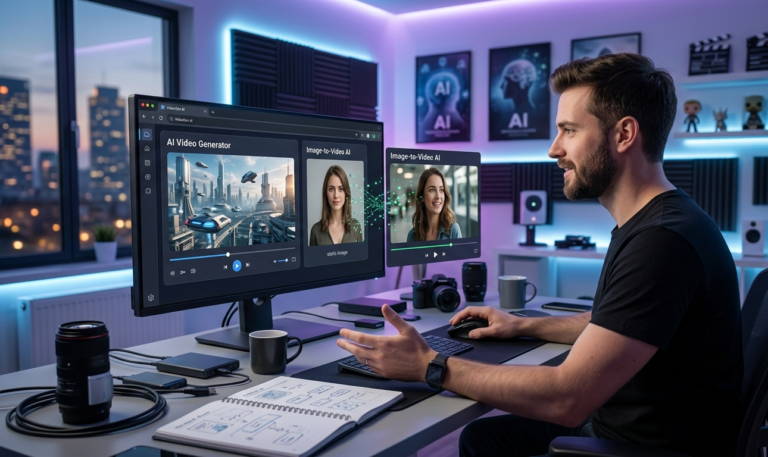
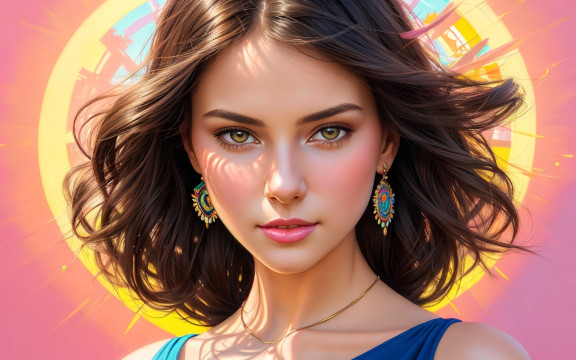
An AI image generator uses advanced machine learning algorithms to create images from text descriptions or user inputs. Rather than capturing photographs with a camera, AI systems generate entirely new visuals by analyzing patterns learned from millions of existing images.
Modern AI platforms can create realistic portraits, landscapes, product images, illustrations, architectural concepts, and marketing graphics within seconds.
An advanced ai image creator allows users to describe a scene in text and instantly generate customized visuals. This technology has transformed content creation by making professional-quality imagery accessible to businesses and individuals without specialized photography skills.
As AI continues to evolve, the quality of generated images has improved dramatically, leading many organizations to incorporate ai art generator visuals into their marketing strategies.
Comparing Cost and Budget Requirements
One of the most significant differences between AI image generation and traditional photography is cost.
Professional photography projects often require:
- Photographers
- Models
- Studio rentals
- Equipment
- Travel expenses
- Editing services
For large campaigns, these costs can become substantial.
By comparison, an ai image maker can generate multiple images at a fraction of the cost. Businesses can produce hundreds of visuals without organizing photoshoots or hiring large creative teams.
For startups, small businesses, and independent creators, AI provides a highly affordable alternative that significantly reduces content production expenses.
When budget is a primary concern, AI image generation often delivers a clear advantage.
Speed and Efficiency
In today’s fast-paced digital environment, speed matters.
Traditional photography projects may require days or even weeks to plan, shoot, edit, and deliver final images. Scheduling locations, coordinating teams, and processing photos all contribute to longer production timelines.
AI image generation dramatically accelerates this process. Businesses can create visuals within minutes simply by entering descriptive prompts.
Using an ai photo maker, marketers can rapidly generate content for:
- Social media campaigns
- Website graphics
- Product promotions
- Blog illustrations
- Digital advertisements
This efficiency enables businesses to respond quickly to trends, launch campaigns faster, and maintain consistent content production.
Creative Flexibility and Innovation
Creativity is another area where AI image generation excels.
Traditional photography is limited by physical constraints such as locations, weather conditions, budgets, and available resources. While photographers can certainly produce creative work, some concepts are difficult or impossible to execute in reality.
An advanced ai art generator removes many of these limitations. Users can create imaginative scenes, futuristic environments, fantasy worlds, and highly customized visuals that would be expensive or impractical to photograph.
AI empowers creators to experiment with unlimited ideas and visual styles without requiring extensive resources.
For conceptual design, artistic projects, and innovative marketing campaigns, AI often provides greater creative freedom.
Realism and Authenticity
Despite impressive technological advances, realism remains one of traditional photography’s strongest advantages.
Photographs capture real people, products, and environments exactly as they exist. This authenticity can build trust with consumers, particularly in industries such as healthcare, real estate, travel, and journalism.
Although modern AI systems generate highly realistic visuals, some images may still contain subtle imperfections involving:
- Hands and fingers
- Facial details
- Reflections
- Shadows
- Object proportions
However, these issues continue to decrease as AI models improve.
Many creators now use an ai photo enhancer to refine generated images and increase realism. Similarly, an ai image enhancer can improve textures, lighting, sharpness, and overall image quality.
While traditional photography still holds an edge in authenticity, AI-generated visuals are becoming increasingly convincing.
Editing and Post-Production
Both photography and AI-generated imagery require editing.
Photographers often spend significant time adjusting exposure, color balance, retouching, and enhancing images using professional software.
AI platforms simplify many of these tasks through automated editing tools. Features such as background removal, image restoration, object replacement, and resolution enhancement can be completed quickly using AI-powered solutions.
The availability of ai photo enhancer and ai image enhancer technologies allows businesses to achieve polished results with minimal editing experience.
This convenience reduces production time and improves accessibility for non-designers.
Best Use Cases for Traditional Photography
Traditional photography remains the preferred option when businesses require:
- Authentic product photography
- Corporate headshots
- Event coverage
- Journalism and news reporting
- Real estate listings
- Documentary projects
- Customer testimonials
In these situations, capturing real-world subjects is essential for credibility and trust.
Professional photography continues to play a vital role in industries where authenticity cannot be compromised.
Best Use Cases for AI Image Generation
AI-generated imagery is particularly effective for:
- Social media graphics
- Advertising concepts
- Website illustrations
- Blog content
- Product mockups
- Creative campaigns
- Digital art projects
Businesses using an ai image creator can rapidly produce customized visuals without the logistical challenges associated with traditional photography.
For content-heavy marketing strategies, AI often provides unmatched scalability and efficiency.
The Future: Combining AI and Photography
Rather than replacing photography entirely, AI is increasingly becoming a complementary tool.
Many businesses now combine traditional photography with AI-powered enhancements. Photographers use AI tools to improve image quality, generate creative concepts, and streamline editing workflows.
An ai image maker can create supporting visuals, while traditional photography provides authentic core content. Together, these technologies offer a powerful combination of realism, efficiency, and creativity.
As AI capabilities continue to evolve, the collaboration between human creativity and artificial intelligence will likely become the standard approach to content production.
Conclusion
When comparing AI image generators and traditional photography, there is no universal winner. Each method offers unique advantages depending on the project’s goals, budget, and requirements.
Traditional photography excels in authenticity, emotional connection, and real-world accuracy. Meanwhile, AI-powered tools such as an ai art generator, ai image creator, and ai photo maker provide unmatched speed, affordability, scalability, and creative flexibility.
For many businesses and creators, the best results come from combining both approaches. By leveraging AI technologies like ai photo enhancer and ai image enhancer alongside professional photography, organizations can create high-quality visual content that engages audiences while maximizing efficiency.
As visual marketing continues to evolve, understanding when to use AI and when to rely on traditional photography will be a key factor in achieving long-term digital success.