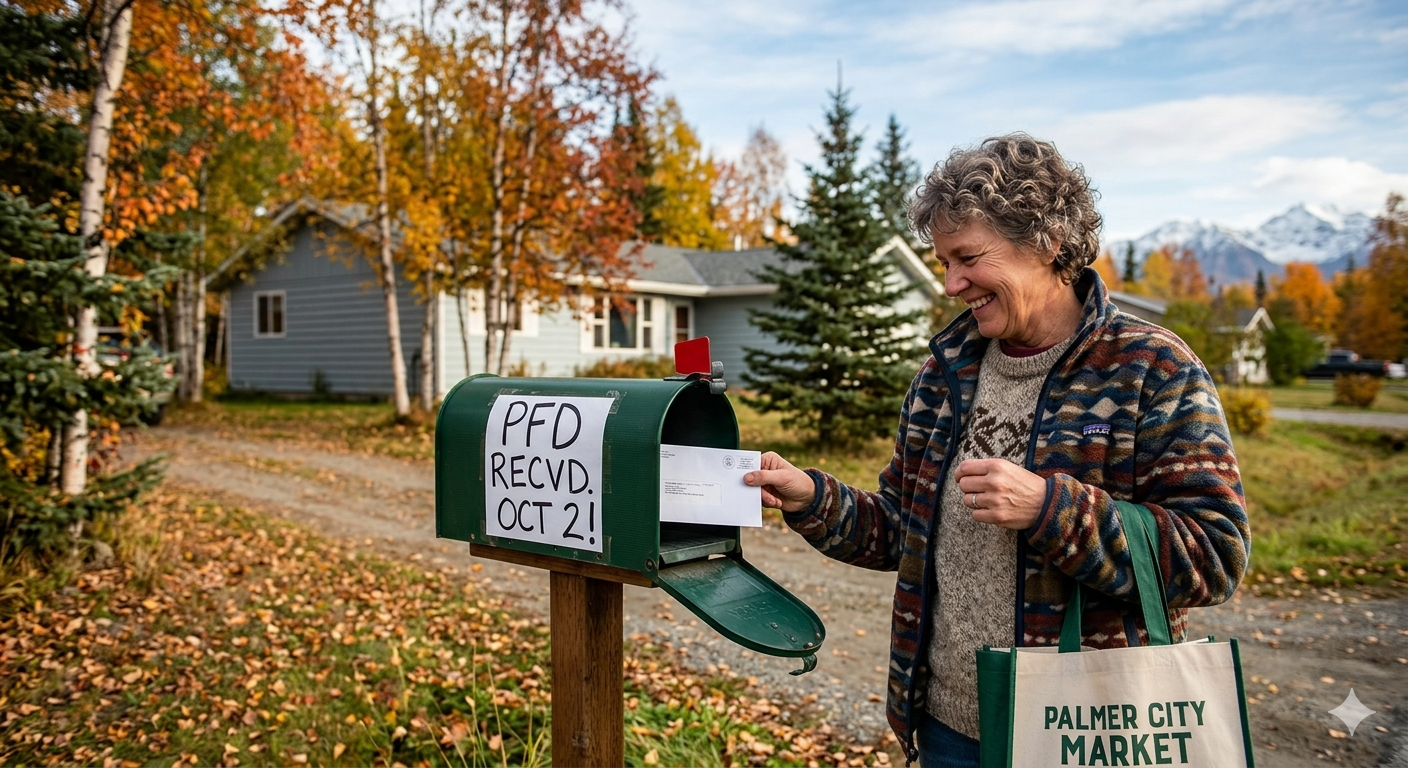
Alaska PFD Program Stimulus Payment: What You Need to Know
The Alaska Permanent Fund Dividend (PFD) has long been a unique financial benefit for residents of Alaska, offering an annual dividend drawn from the state’s oil revenues. Recently, discussions around the Alaska PFD program stimulus payment have gained momentum, especially with the economic pressures faced by residents. But what exactly is this payment, who qualifies, and how does it work? Let’s dive deep and explore everything you need to know.
What is the Alaska PFD Program?
The Alaska Permanent Fund was established in 1976 to invest a portion of the state’s oil revenues for the long-term benefit of Alaskans. Each year, the state calculates a dividend based on investment earnings, which is then distributed to eligible residents. This dividend has become a crucial source of income for many families, particularly in rural areas where economic opportunities can be limited.
The Alaska PFD program stimulus payment refers to an enhancement or adjustment of the usual PFD, often in response to broader economic challenges or emergencies. In times of economic downturns or extraordinary circumstances, Alaska has occasionally considered additional stimulus-style payments to help residents maintain purchasing power.
How the Stimulus Payment Works
The Alaska PFD program stimulus payment is designed to supplement the annual dividend. Here’s how it typically functions:
Eligibility Check – Residents must meet the standard PFD criteria: being a resident for a full calendar year, not having a felony conviction that disqualifies them, and not claiming residency elsewhere.
Calculation of Amount – While the traditional PFD is based on fund earnings, the stimulus payment may be a fixed amount or an additional percentage based on state budget provisions.
Distribution Method – Payments are usually direct deposits or mailed checks, ensuring timely access for all qualifying Alaskans.
Tax Implications – Both the regular PFD and any stimulus additions are generally considered taxable income at the federal level but are exempt from state income taxes.
Who Qualifies for the Alaska PFD Stimulus Payment?
Eligibility largely mirrors the standard PFD requirements, but with a few potential exceptions during stimulus distributions:
Residency – Must be a resident of Alaska for at least one full calendar year.
No Disqualifying Convictions – Felony convictions or certain criminal offenses can disqualify applicants.
Age Considerations – Residents under 18 typically qualify for a partial payment, while adults receive the full amount.
Application – In some years, residents must actively apply for the dividend; in other cases, eligible individuals are automatically included.
It’s essential for Alaskans to monitor official announcements from the Alaska Department of Revenue, which manages the PFD program, for the most current eligibility rules and deadlines.
When Are Payments Issued?
The Alaska PFD program generally distributes dividends in the fall, often around September or October. If a stimulus component is added, timing may vary depending on state budget approvals or emergency legislation. Historically, the state has tried to ensure payments arrive before major holiday seasons to support household expenses and local businesses.
Why the Alaska PFD Stimulus Payment Matters
The Alaska PFD program stimulus payment is more than just a cash bonus—it’s a lifeline for many Alaskans. Here’s why it holds significant value:
Economic Support – Extra payments provide a boost for families, helping cover essentials like food, heating, and healthcare.
Local Economy – Stimulus payments encourage spending within the state, benefiting small businesses and retailers.
Financial Stability – In areas where jobs may be seasonal or limited, the PFD and any additional payments can stabilize household budgets.
Rural Communities – For remote villages and towns, these funds are particularly impactful, often making the difference between financial strain and stability.
How to Apply for the Alaska PFD Program
Applying for the Alaska PFD program is relatively straightforward, but timely action is crucial:
Visit the Official Portal – All applications should be submitted through the Alaska Department of Revenue website.
Gather Documentation – Proof of residency, birth certificate, and Social Security number are typically required.
Submit Before Deadline – Late applications may result in reduced or forfeited payments.
Monitor Updates – Any stimulus-related adjustments will usually be communicated via official channels and media announcements.
For returning residents or those who applied in previous years, the process may be quicker, as the state often retains prior information for verification.
Common Questions About the Alaska PFD Stimulus Payment
1. Is the PFD Stimulus Payment guaranteed every year?
No. While the PFD itself is annual, stimulus payments are not guaranteed and depend on legislative approval or extraordinary circumstances.
2. How much is the stimulus payment?
The amount varies. Some years may see a modest increase, while others may involve a more significant payment, often decided in response to economic conditions or budget surpluses.
3. Do I need to pay state taxes on the payment?
No. Alaska does not have a state income tax, so both the regular PFD and stimulus payments are tax-free at the state level, though federal taxes may apply.
4. Can non-residents receive the payment?
No. Only residents meeting Alaska’s residency and eligibility requirements can receive the PFD and any associated stimulus payment.
5. How is the payment distributed?
Payments are typically issued via direct deposit or mailed checks. Residents are encouraged to ensure their banking information is up to date.
Tips for Maximizing the Benefit
Stay Informed – Monitor news from the Alaska Department of Revenue for updates on deadlines, eligibility changes, or additional payments.
Plan Ahead – Use the dividend wisely, prioritizing essential expenses or long-term financial needs.
Track Changes – Legislative actions may adjust both PFD amounts and the potential for stimulus payments. Keeping an eye on state budget discussions can provide early insights.
Conclusion
The Alaska PFD program stimulus payment is a unique financial mechanism that provides crucial support to residents during challenging times. While the traditional PFD is a staple for Alaskans, the stimulus element can offer additional relief, particularly when the state faces economic hurdles or budget surpluses. By understanding eligibility requirements, application procedures, and distribution timelines, residents can make the most of this benefit and contribute to the state’s local economy. Whether you’re a long-time resident or a newcomer, staying informed is the key to ensuring you receive the full advantage of the PFD program.
FAQs
Q1: How do I know if I qualify for the Alaska PFD stimulus payment?
Eligibility aligns with standard PFD rules—residency, no disqualifying convictions, and age requirements are the main factors. Always check official announcements for any stimulus-specific adjustments.
Q2: Can the PFD stimulus payment be delayed?
Yes. Distribution depends on legislative approval and state budget processing. Delays are possible, though the state typically communicates any changes in advance.
Q3: Are minors eligible for the stimulus payment?
Yes, minors typically receive a partial dividend based on state guidelines. Parents or guardians usually apply on their behalf.
Q4: Where can I find the official PFD application?
All applications should be submitted through the Alaska Department of Revenue’s official website. Avoid unofficial sources to prevent fraud.
Q5: Can the stimulus payment be considered part of my regular PFD?
Not exactly. While related, the stimulus payment is an additional allocation beyond the traditional dividend and may vary in amount and timing.