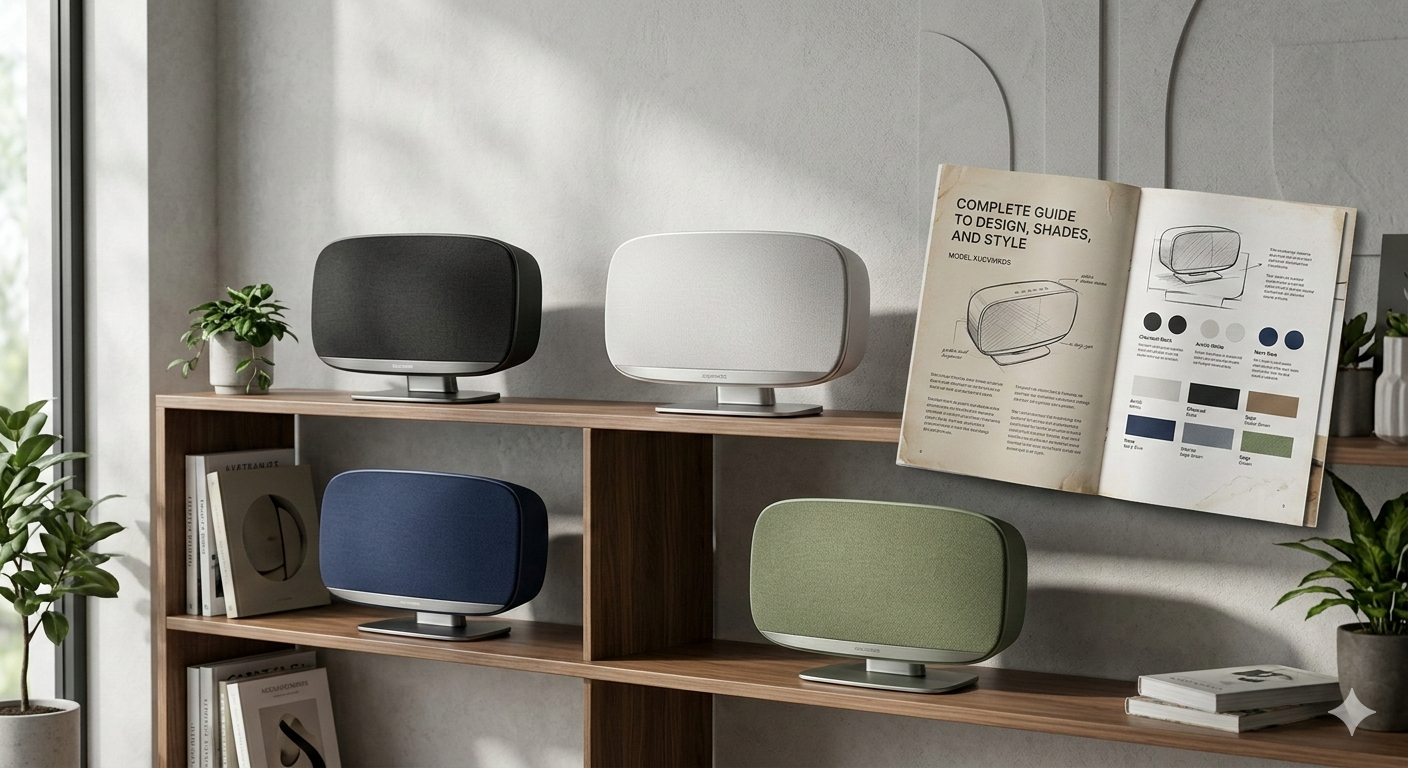
Model XUCVIHKDS Colors: A Complete Guide to Design, Shades, and Style
When it comes to modern product design and aesthetics, color plays a powerful role in shaping perception and user experience. One term that has recently gained attention in design discussions is model xucvihkds colors. While the phrase may sound unusual at first, it refers to a conceptual or emerging color system associated with the Model XUCVIHKDS design framework.
In today’s competitive market, color isn’t just decoration—it communicates identity, personality, and functionality. From automotive design to digital interfaces and product styling, the right palette can completely transform how a model is perceived by users and customers.
This article explores model xucvihkds colors, their importance, available variations, design inspiration, and how they influence aesthetics and branding. Whether you’re a designer, enthusiast, or simply curious about modern color systems, this guide will help you understand everything about this intriguing concept.
Understanding Model XUCVIHKDS Colors
The term model xucvihkds colors refers to the palette or range of color options associated with the Model XUCVIHKDS design concept. In many design systems, a model is introduced with multiple color variants to appeal to different user preferences and market segments.
These colors are carefully selected based on several factors:
Visual appeal
Cultural preferences
Current design trends
Brand identity
Psychological impact
For example, darker tones often represent luxury and sophistication, while lighter shades can convey minimalism and elegance. The model xucvihkds colors collection follows similar principles, offering balanced options for various tastes.
Why Colors Matter in Model Design
Color selection isn’t random—it’s a strategic decision. The model xucvihkds colors system demonstrates how thoughtful color design can elevate a product’s appearance and emotional impact.
1. Visual Identity
Colors help establish a recognizable identity for a product. When people see a specific shade associated with a model, it becomes part of its branding.
2. Emotional Connection
Colors influence emotions. For example:
Blue often represents trust and calmness.
Red symbolizes energy and passion.
Black conveys luxury and power.
3. Market Differentiation
Unique color combinations allow a model to stand out from competitors. The model xucvihkds colors palette helps create a distinct visual presence.
4. Personalization
Consumers enjoy having choices. Offering multiple color options allows users to select a style that reflects their personality.
Popular Variations in Model XUCVIHKDS Colors
The model xucvihkds colors system includes several distinctive shades designed to complement modern design trends. While exact options may vary depending on the product or concept, common variations include the following:
Classic Black
Black remains one of the most popular choices in any design model. It offers:
A sleek and professional appearance
Timeless elegance
Compatibility with various environments
Within the model xucvihkds colors palette, black is often used as a premium option.
Arctic White
White symbolizes simplicity and purity. It is widely used in minimalistic design styles.
Advantages include:
Clean and modern aesthetics
Strong contrast with darker elements
A fresh, futuristic look
Metallic Silver
Silver shades are frequently associated with technology and innovation. In the model xucvihkds colors lineup, metallic silver highlights the model’s advanced and contemporary design.
Midnight Blue
Blue tones add a sense of calm sophistication. Midnight blue, in particular, balances elegance with subtle uniqueness.
Graphite Gray
Gray shades provide neutrality while maintaining a modern feel. Graphite gray often appeals to users who want something different from traditional black or white.
Design Inspiration Behind Model XUCVIHKDS Colors
Color design is rarely accidental. The model xucvihkds colors concept draws inspiration from several modern design movements.
Minimalist Design
Minimalism emphasizes simplicity and clean aesthetics. Many colors in this system follow muted tones that avoid unnecessary visual clutter.
Futuristic Technology
Advanced technology products often use metallic and cool tones to convey innovation. Colors such as silver, gray, and deep blue align with this theme.
Nature-Inspired Shades
Some variations take inspiration from natural elements like stone, sky, or night landscapes. This approach creates a calm and balanced visual experience.
Urban Style
Modern urban design trends influence darker shades like charcoal and graphite, reflecting sophistication and practicality.
How Model XUCVIHKDS Colors Affect User Perception
The model xucvihkds colors palette doesn’t just change the appearance of a model—it also affects how people perceive it.
Luxury Perception
Dark tones such as black and deep blue often make products appear more premium.
Modernity and Innovation
Metallic colors like silver create a high-tech impression.
Approachability
Lighter colors such as white feel more friendly and accessible to users.
Professionalism
Neutral shades like gray are commonly associated with professionalism and reliability.
By balancing these perceptions, the model xucvihkds colors system ensures that the model appeals to a wide audience.
Choosing the Right Model XUCVIHKDS Color
Selecting the ideal color depends on personal preferences and intended use. Here are a few tips to consider when choosing from the model xucvihkds colors range.
Consider Your Environment
If the model will be used in professional settings, neutral colors like gray or black may be more appropriate.
Think About Maintenance
Some colors show scratches, dust, or fingerprints more easily than others. Dark glossy surfaces may require more cleaning.
Reflect Your Personality
If you prefer bold styles, darker or metallic shades might suit you better. Minimalists may gravitate toward white or silver.
Evaluate Long-Term Appeal
Trendy colors may look exciting now but could feel outdated later. Classic tones usually remain appealing for years.
Future Trends in Model XUCVIHKDS Colors
Design trends continue to evolve, and the model xucvihkds colors concept is expected to expand in the future. Emerging trends may include:
Gradient color finishes that shift depending on lighting.
Matte textures that reduce reflections.
Eco-friendly pigments made from sustainable materials.
Customizable color options allowing users to personalize their models.
These innovations could redefine how color systems are designed and experienced.
Frequently Asked Questions
What are model xucvihkds colors?
Model xucvihkds colors refer to a conceptual palette of color options associated with the Model XUCVIHKDS design framework. These colors are chosen to enhance aesthetics, branding, and user experience.
Why are color options important for models?
Color options allow users to personalize their models while also helping brands create a distinct visual identity. They also influence how people perceive quality and style.
What are the most popular model xucvihkds colors?
Common options include black, white, silver, midnight blue, and graphite gray. These colors balance modern aesthetics with timeless appeal.
Do colors affect product value?
Yes, certain colors can influence perceived value. Premium colors like metallic finishes or deep tones often appear more luxurious.
Will new model xucvihkds colors be introduced in the future?
Most likely. As design trends evolve, new shades, textures, and finishes may become part of the palette.
Conclusion
The concept of model xucvihkds colors highlights the importance of thoughtful color design in modern products. Far beyond simple aesthetics, colors influence branding, emotional response, and user perception.
From classic black and clean white to futuristic silver and sophisticated midnight blue, each color option brings its own personality to the model. Designers carefully choose these shades to balance style, functionality, and market appeal.
As technology and design trends continue to evolve, the model xucvihkds colors system may introduce even more innovative palettes and finishes. For designers and consumers alike, understanding the role of color can make a significant difference in choosing and appreciating modern models.