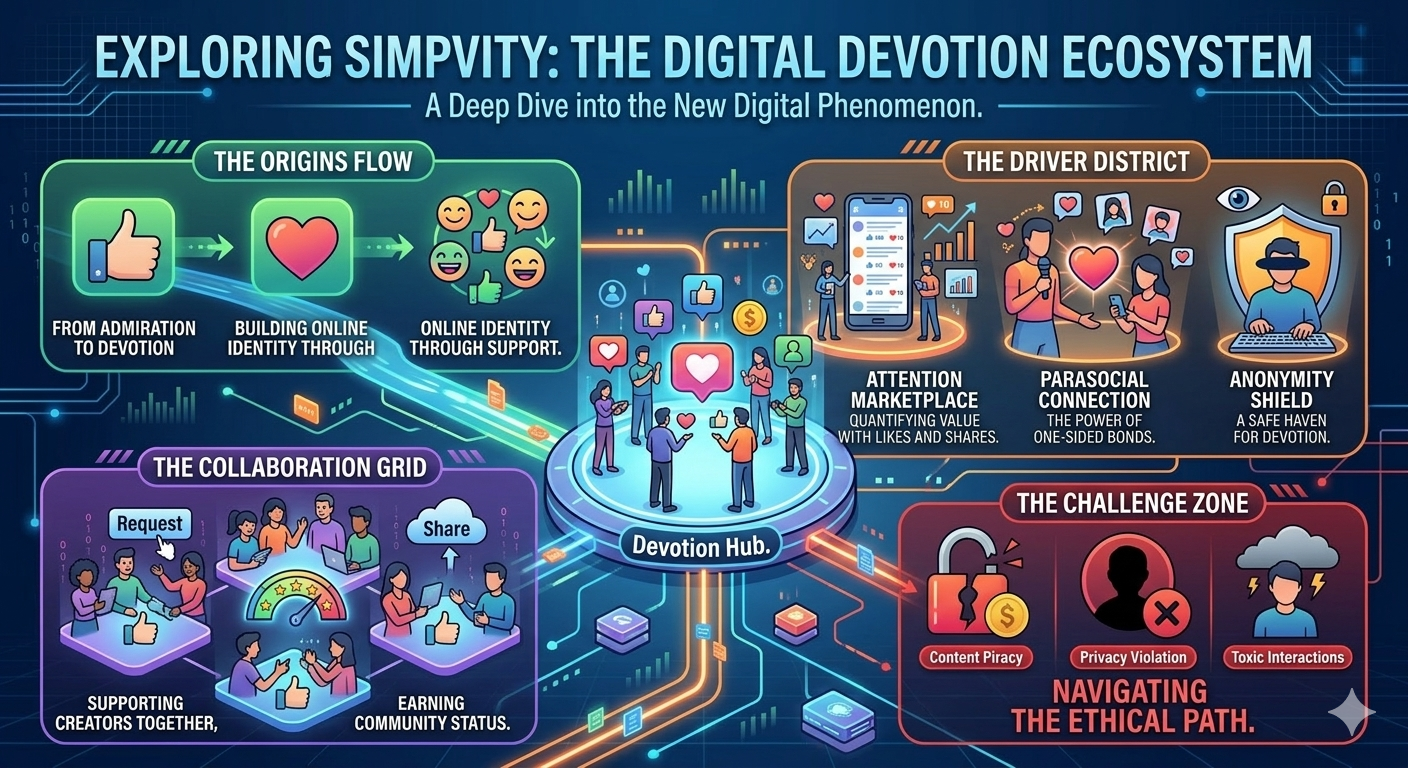
Simpvity: Understanding the Rise of a New Digital Phenomenon
In the ever-evolving world of social media and digital culture, new terms and concepts pop up almost every day. One of the latest buzzwords making waves online is simpvity. While the word may sound unfamiliar at first, it represents a fascinating phenomenon that touches on modern human behavior, online interactions, and the psychology behind digital engagement. In this article, we’ll dive deep into what simpvity is, why it’s gaining attention, and how it’s shaping online communities.
What is Simpvity?
At its core, simpvity is a term used to describe the behavior of individuals who go out of their way to gain the approval, attention, or affection of someone online, often to the point of excessive flattery or self-sacrifice. The term is derived from the word “simp,” which has been popularized on platforms like TikTok, Twitter, and Reddit to describe someone overly eager to please another, usually in a romantic context. Simpvity, however, extends this behavior beyond romantic boundaries and into a broader social context.
Unlike traditional “simping,” which is often personal or private, simpvity involves strategic social performance. People exhibiting simpvity might consistently support influencers, celebrities, or even peers online through comments, likes, donations, or public displays of admiration, all aimed at fostering a connection or gaining recognition.
Why Has Simpvity Become Popular?
There are a few key reasons simpvity has exploded in popularity:
Social Media Influence
Platforms like Instagram, TikTok, and YouTube have created an environment where attention is currency. Individuals who engage in simpvity often do so in hopes of being noticed, which aligns with the influencer-driven culture we live in today.Community Dynamics
Online communities thrive on engagement. Simpvity contributes to a cycle where active participation, even if excessive, is recognized and rewarded with social validation. This recognition can be as simple as likes, follows, or shoutouts.Psychological Gratification
Simpvity taps into basic human psychology. Pleasing someone, receiving acknowledgment, and being part of a social group triggers feelings of reward in the brain. The digital environment amplifies this by making recognition instant and visible to many people at once.Gamification of Social Interaction
Many online platforms use algorithms that reward engagement. Those practicing simpvity often find their content or actions highlighted, reinforcing the behavior.
Positive and Negative Aspects of Simpvity
Like many behaviors, simpvity comes with both benefits and drawbacks:
Positive Aspects
Increased Engagement: People who practice simpvity are often highly active online, which can help build networks and communities.
Support for Content Creators: Simpvity often results in tangible support for creators, such as donations, shares, or promoting their work.
Social Learning: Observing simpvity in others can teach individuals about social norms, etiquette, and digital engagement strategies.
Negative Aspects
Emotional Burnout: Constantly seeking approval can be exhausting and may lead to anxiety or disappointment if recognition is not reciprocated.
Excessive Dependence: Simpvity can foster an unhealthy reliance on external validation rather than self-worth.
Misinterpretation: Actions associated with simpvity can sometimes be misunderstood, creating awkward or uncomfortable situations.
Simpvity in the Context of Modern Culture
Simpvity is not just a digital fad—it reflects broader cultural shifts in how we perceive relationships and social interactions. Online spaces have blurred the line between public and private behavior, making acts of admiration and loyalty highly visible. This visibility has encouraged behaviors like simpvity, where social performance becomes a form of identity expression.
Furthermore, simpvity can be seen as a form of “micro-celebrity” culture. Ordinary users gain social leverage by consistently engaging with popular figures, sometimes achieving recognition that extends beyond their personal social circles. In this way, simpvity is both a social strategy and a cultural phenomenon.
How to Recognize Simpvity
While the concept may seem abstract, there are common indicators of simpvity behavior:
Regularly commenting or reacting to someone’s content in an exaggeratedly positive way.
Publicly supporting someone through donations, gifts, or frequent reposts.
Prioritizing online interactions over personal or offline engagements.
Seeking acknowledgment from high-profile figures or influencers.
Understanding these behaviors can help both participants and observers navigate social media interactions more consciously.
Managing Simpvity: Tips for Healthy Digital Engagement
If you’re someone who identifies with simpvity tendencies or notices it in your circle, there are ways to maintain a healthy balance:
Set Boundaries: Limit the time and energy spent seeking online validation.
Diversify Attention: Engage in offline relationships and activities to avoid over-reliance on digital acknowledgment.
Self-Awareness: Reflect on why you engage in certain behaviors online and whether they align with your personal values.
Constructive Support: Focus on genuine encouragement rather than performative or excessive flattery.
By approaching simpvity mindfully, individuals can enjoy the social benefits without the emotional drawbacks.
FAQs
Q1: Is simpvity the same as simping?
A: Not exactly. Simping is usually personal and romantic in context, while simpvity refers to broader social behaviors, including admiration, support, or attention-seeking in various online scenarios.
Q2: Can simpvity be positive?
A: Yes, when practiced in moderation, simpvity can foster engagement, support creators, and build communities. The key is balancing online attention with offline life and self-worth.
Q3: How can I avoid falling into unhealthy simpvity?
A: Set clear limits on online engagement, prioritize personal relationships, and reflect on your motives for seeking recognition online. Remember, self-validation is just as important as external acknowledgment.
Q4: Is simpvity only seen on social media?
A: While most examples occur online, simpvity can manifest anywhere social recognition and admiration are sought, including gaming platforms, forums, or even professional communities.
Q5: Why is simpvity becoming more common?
A: The rise of influencer culture, instant recognition systems, and digital communities has made social approval a visible and desirable form of currency, increasing the prevalence of simpvity.
Conclusion
Simpvity is more than just an internet buzzword; it’s a reflection of the ways social media has reshaped human interaction, recognition, and engagement. While it can lead to meaningful connections and increased engagement, it also carries the risk of emotional strain if left unchecked. By understanding simpvity, recognizing its signs, and managing it responsibly, individuals can navigate the digital landscape with awareness and balance. In a world where attention is currency, simpvity reminds us that how we seek recognition matters just as much as why we seek it.