Which Boeing Planes to Avoid: A Comprehensive Guide
When it comes to commercial aviation, few names carry the weight and reputation of Boeing. The American aerospace giant has been a leader in airplane manufacturing for decades, producing iconic aircraft that have dominated skies worldwide. However, even a company with such a strong pedigree has had its share of controversies and engineering missteps. For travelers and aviation enthusiasts, it’s important to understand which Boeing planes to avoid, why certain models faced challenges, and how these issues have influenced the industry.
Boeing’s Legacy in Aviation
Boeing has a long history dating back to 1916, and over the years, it has revolutionized air travel with aircraft like the Boeing 747, often called the “Queen of the Skies,” and the highly popular Boeing 737 series. Their aircraft are known for durability, efficiency, and comfort, making them the backbone of many airlines’ fleets.
Yet, despite this impressive track record, some Boeing aircraft models have raised safety concerns due to design flaws, software errors, or operational challenges. For passengers and airline operators, recognizing these models is crucial for safety awareness and informed travel decisions.
Boeing 737 MAX: The Most Notorious Controversy
The MCAS System and Its Role
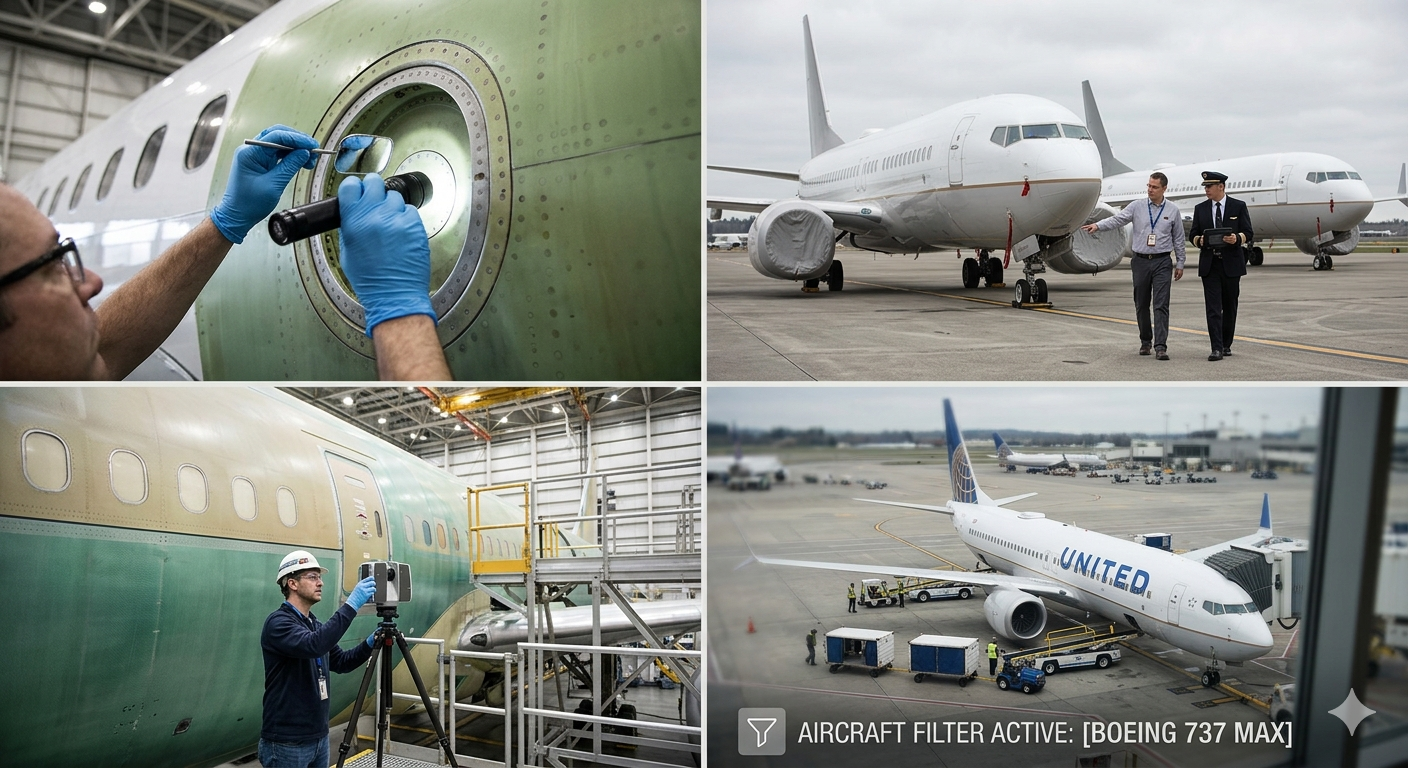
The Boeing 737 MAX is perhaps the most infamous Boeing aircraft in recent history. Introduced in 2017, the MAX series promised fuel efficiency and modernized technology, but it became widely known due to two fatal crashes: Lion Air Flight 610 and Ethiopian Airlines Flight 302.
The primary culprit was the Maneuvering Characteristics Augmentation System (MCAS), designed to prevent the plane from stalling. Flaws in the software, coupled with insufficient pilot training, led to both tragedies, claiming 346 lives.
Implications for Passengers
While the 737 MAX has since undergone extensive safety reviews and modifications, the model still carries a stigma. Airlines that continue to operate this aircraft have made significant changes, including pilot retraining and software updates, but many travelers remain wary.
Verdict: Travelers concerned about safety should research the airline’s 737 MAX implementation before booking, although regulatory bodies like the FAA have cleared it to fly.
Boeing 787 Dreamliner: Electrical and Battery Concerns
Early Battery Issues
The Boeing 787 Dreamliner was designed as a next-generation aircraft with lightweight composite materials and advanced avionics. However, early versions faced battery overheating problems, including a few high-profile cases of smoke in the cockpit and emergency landings. These incidents prompted a temporary grounding of the fleet in 2013.
Resolutions and Current Safety
Boeing addressed these issues by redesigning the battery system and implementing stricter maintenance protocols. Today, the 787 is considered one of Boeing’s most advanced and safe aircraft.
Verdict: While the Dreamliner had early teething problems, it is generally safe now. Awareness of past issues helps passengers understand the importance of proper airline maintenance.
Boeing 737 Classic Series: Aging Airframes
The 737 Classic series (including 737-300, 737-400, and 737-500) was popular from the 1980s to early 2000s. While reliable in their prime, many of these planes are aging and may pose increased risk if not properly maintained. Older aircraft are more prone to mechanical failures, corrosion, and fatigue.
Airline Considerations
If an airline still operates older 737 Classics, ensure that it has robust maintenance practices and safety audits. Passengers should check the age of aircraft when booking long-haul or frequent flights.
Verdict: Not inherently unsafe, but older models require rigorous maintenance to ensure passenger safety.
Boeing 747-8: Complex Systems and Operational Costs
The Boeing 747-8, the final evolution of the iconic 747 line, is a marvel of engineering but not without challenges. Its size and complexity make maintenance more intensive, and operating costs are higher compared to more efficient twin-engine jets.
Safety Considerations
The 747-8 hasn’t had major design flaws, but its sheer size and reliance on older airframe concepts can present challenges. Emergency handling in rare situations requires well-trained crews.
Verdict: Safe when properly maintained, but consider comfort and airline track record before flying long-haul on a 747-8.
Boeing 767: Older Models in Freight Operations
The Boeing 767 has a strong history as a passenger jet but is increasingly used in cargo and freight operations. Older passenger-to-cargo conversions may have reduced safety oversight if not meticulously upgraded to meet current standards.
Operational Risks
The 767 has proven reliability, but travelers may want to avoid older converted freighters or smaller regional carriers operating aging aircraft.
Verdict: Modern 767s remain safe, but check airline history and aircraft age if considering cargo flights.
Factors to Consider When Choosing a Boeing Flight
When assessing which Boeing planes to avoid, it’s not just about the model itself. Several factors influence overall safety and reliability:
Aircraft Age: Older models may be more prone to mechanical issues.
Maintenance Standards: Airlines with rigorous maintenance schedules are safer, even with older planes.
Software Updates: Especially for planes like the 737 MAX, up-to-date avionics are critical.
Pilot Training: Proper training ensures pilots can handle complex aircraft systems and emergencies.
Operational History: Research past incidents or airline-specific safety records.
By considering these factors, passengers can make more informed decisions, regardless of the aircraft model.
Summary of Boeing Planes to Approach with Caution
| Aircraft Model | Key Concerns | Current Status |
|---|---|---|
| 737 MAX | MCAS software, crash history | Updated and recertified |
| 787 Dreamliner | Early battery overheating | Resolved, considered safe |
| 737 Classic Series | Aging airframe, mechanical wear | Safe with maintenance |
| 747-8 | Complex systems, high operating costs | Safe, but operationally intensive |
| 767 | Older models in freight conversions | Safe, check airline and aircraft age |
Frequently Asked Questions (FAQs)
1. Are all Boeing planes unsafe?
Not at all. Most Boeing aircraft are among the safest and most reliable in aviation history. Concerns mainly apply to older models or aircraft with well-publicized issues, such as the 737 MAX before its fixes.
2. Can the 737 MAX be trusted now?
Yes, after rigorous FAA and international safety reviews, the 737 MAX has been cleared to fly. Airlines have updated software, pilot training, and safety protocols.
3. Should I avoid flying on older Boeing 737s?
Older 737 Classics are generally safe if the airline follows strict maintenance schedules. Passengers can check the aircraft’s age and the airline’s safety record for peace of mind.
4. Is the Boeing 787 Dreamliner safe now?
Absolutely. The initial battery problems were addressed, and the 787 is now considered a safe, modern aircraft with advanced features.
5. How do I know which plane I’ll be flying?
Most airlines provide aircraft information during booking. Websites like FlightAware or airline apps often show aircraft type for your flight, allowing you to make informed choices.
Conclusion
When considering which Boeing planes to avoid, context is key. Not all models are problematic, and most Boeing aircraft are safe when maintained and operated properly. The 737 MAX understandably draws caution due to its history, but improvements and certifications have restored confidence. Older models like the 737 Classics or 767s require careful airline selection, while newer planes like the 787 Dreamliner and 747-8 remain safe and reliable.
By staying informed, checking airline maintenance practices, and understanding aircraft history, passengers can travel confidently, enjoying the engineering marvels that Boeing has contributed to modern aviation.